Blog
The Latest in Waterproofing Technologies and Materials: Moving Beyond Butynol
July 23, 2024
Welcome to Waterproof Roofs Hamilton, where we are dedicated to providing top-notch roofing solutions to homeowners in Hamilton, Waikato, and surrounding areas. Our commitment to superior quality and the latest in roofing technologies ensures that your home is protected from the elements with the best materials available. In this blog, we will explore the latest advancements in waterproofing technologies and materials, moving beyond the traditional butynol to offer you the best in modern roofing solutions.
The Limitations of Butynol
Butynol has been a popular choice for waterproofing roofs for many years, known for its durability and flexibility. However, as technology advances, new materials and methods have emerged that offer improved performance and longer-lasting protection. While butynol is still a reliable option, it has some limitations that newer technologies aim to overcome:
- Longevity: While butynol has a good lifespan, newer materials can offer even longer protection, reducing the need for frequent maintenance and replacements.
- UV Resistance: Butynol can degrade over time when exposed to UV rays. Newer materials provide better UV resistance, maintaining their integrity for longer periods.
- Environmental Impact: Advances in waterproofing materials have led to the development of more environmentally friendly options, which are less harmful to the environment during production and disposal.
New Waterproofing Technologies
Let's delve into some of the latest waterproofing technologies and materials that are transforming the roofing industry:
1. TPO (Thermoplastic Polyolefin) Roofing
TPO roofing membranes are becoming increasingly popular due to their excellent durability, flexibility, and resistance to UV rays and chemical exposure. TPO is a single-ply roofing membrane that offers several advantages:
- Energy Efficiency: TPO membranes are highly reflective, reducing heat absorption and lowering cooling costs for your home.
- Durability: TPO is resistant to tears, punctures, and impact damage, making it a long-lasting option for your roof.
- Environmental Benefits: TPO is a recyclable material, making it an environmentally friendly choice for homeowners looking to reduce their carbon footprint.
2. EPDM (Ethylene Propylene Diene Monomer) Roofing
EPDM roofing is another single-ply membrane that has gained popularity for its outstanding weather resistance and longevity. Key benefits of EPDM include:
- Weather Resistance: EPDM is highly resistant to extreme weather conditions, including heavy rain, snow, and hail, ensuring your roof remains protected year-round.
- Ease of Installation: EPDM membranes are lightweight and easy to install, reducing labour costs and installation time.
- Flexibility: The material remains flexible in both hot and cold temperatures, preventing cracks and other damage.
3. Liquid Applied Membranes
Liquid applied membranes are a versatile and effective waterproofing solution that can be used on a variety of roof types. These membranes are applied as a liquid, which then cures to form a seamless, watertight barrier. Advantages include:
- Seamless Application: The liquid application ensures there are no seams or joints that could potentially leak, providing complete waterproof protection.
- Adaptability: Liquid applied membranes can be used on complex roof shapes and details, ensuring thorough coverage and protection.
- Quick Drying: These membranes dry quickly, allowing for faster project completion and minimal disruption.
4. PVC (Polyvinyl Chloride) Roofing
PVC roofing membranes offer excellent durability and resistance to various environmental factors. These single-ply membranes are known for their longevity and ease of maintenance. Benefits of PVC roofing include:
- Chemical Resistance: PVC membranes are resistant to a wide range of chemicals, making them suitable for industrial and commercial applications.
- Fire Resistance: PVC is inherently fire-resistant, providing an additional layer of safety for your home.
- Low Maintenance: PVC roofs require minimal maintenance, saving you time and money in the long run.
Advancements in Installation Methods
In addition to new materials, advancements in installation methods have further improved the efficiency and effectiveness of waterproofing solutions. Modern installation techniques ensure that roofing systems are installed correctly and securely, maximising their performance and lifespan.
1. Heat Welding
Heat welding is a method used to bond seams in roofing membranes, creating a strong and watertight seal. This technique is commonly used with TPO and PVC membranes, ensuring that seams are fully sealed and resistant to leaks.
2. Self-Adhered Membranes
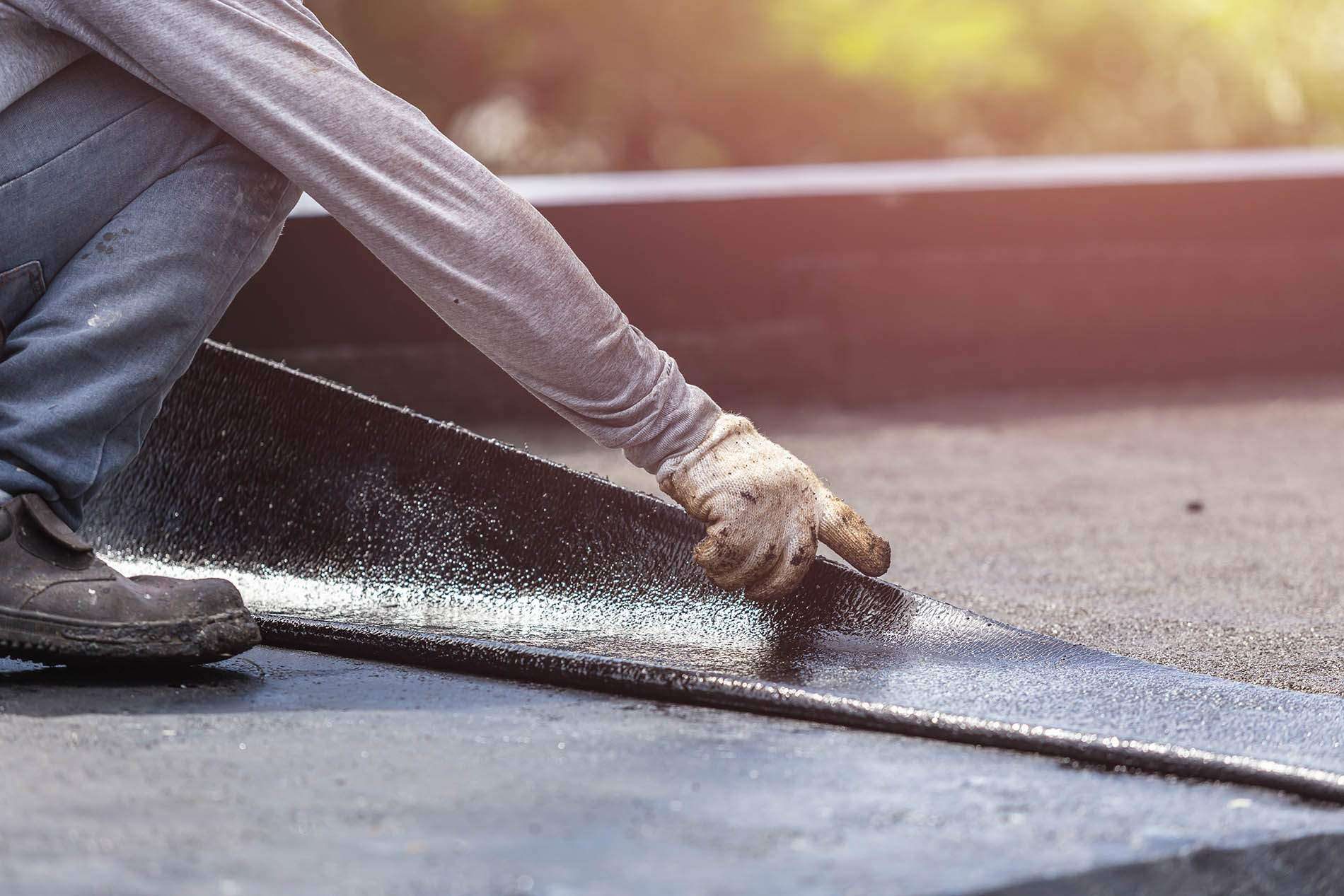
Self-adhered membranes simplify the installation process by eliminating the need for additional adhesives or fasteners. These membranes come with a pre-applied adhesive layer, which bonds to the roof surface upon application, reducing installation time and ensuring a secure fit.
3. Mechanically Attached Systems
Mechanically attached systems use fasteners to secure the roofing membrane to the roof deck. This method provides a strong and reliable attachment, preventing membrane displacement and ensuring long-term performance.
Conclusion
At Waterproof Roofs Hamilton, we are committed to staying at the forefront of roofing technology to provide our customers with the best possible solutions. Moving beyond butynol, we offer a range of advanced waterproofing materials and methods that ensure your roof remains durable, energy-efficient, and environmentally friendly. Whether you need roof repair, maintenance, or a complete re-roofing, our team is here to deliver top-tier services that protect your home for years to come.
Contact us today to learn more about our innovative waterproofing solutions and how we can help you achieve a resilient and reliable roof.
Posted in Blog
Recent Posts
Our services
Roof Repairs & Maintenance
From addressing minor leaks to undertaking significant roof repairs, our team is equipped to handle challenges of all scales, ensuring your roof is robust and waterproof.Roof Replacements
If required we can perform a complete roof replacement on your house or building.New Roof Installations
With years of experience and a commitment to excellence, our team ensures your new roof is installed with precision, durability, and style.New Builds
Waterproof Roofs Ltd specialises in new-build roofing across Hamilton and the wider Waikato, delivering durable, great-looking roofs that are installed safely, on schedule, and to a high standard of workmanship.Moss Treatments
We specialize in proactive moss treatments, which are crucial in extending the lifespan of your roof and maintaining its aesthetic appeal.Spouting Repairs & Services
Understanding the critical role of spouting in roof health, we offer comprehensive spouting services, from repairs to replacements, ensuring efficient water drainage and roof protection.Contact
Contact us
Talk to us now on
027 669 9042or leave a message using the form below
- Hamilton, Waikato